From Crisis to Hope: The Power of Peer Recovery and Community Partnership

The Crisis Response Unit (CRU) represents a revolutionary approach to addressing behavioral health challenges and substance use disorders. Since its launch in December 2022, this innovative partnership between the Oakland County Sheriff's Office and the Alliance of Coalitions for Healthy Communities has brought together law enforcement, mental health clinicians, and peer recovery coaches to create a comprehensive support system that's already showing remarkable results including a 37% reduction in opioid fatalities in Oakland County.
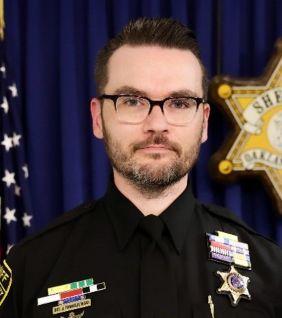
For Sgt. Joel Gerard Tomaszewski, who leads the CRU, the program's success lies in its collaborative approach. "Bringing together these groups, who are fundamentally designed to work for and help others, but have differing methodologies, can be challenging. So far, the CRU has been able to defy that and provide a valuable service to many others," he explains.
The CRU focuses on overdose prevention, providing crisis intervention, recovery support, housing and employment resources, food assistance, and overdose prevention education, including naloxone distribution. "We strive to assist people in all aspects of their recovery," Sgt. Tomaszewski says. "Whether it's supporting their wellbeing, helping their family, facilitating transportation, providing court assistance, or even helping them find shelter."
"I hope my service on CRU builds bridges between law enforcement, clinicians, and non-profits. No entity can work effectively alone, and the only way to make the greatest impact is through collaboration," he adds.
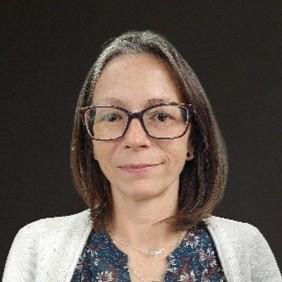
At the core of the Alliance's approach are peer recovery coaches who've walked the path of recovery themselves and use their experiences to guide others. Paul Shankin, a Peer Recovery Coach, explains: "What inspires me is knowing that every time I show up, I'm helping someone feel less alone. I've lived through trauma, addiction, and deep loss. I know how powerful it is to meet someone who doesn't judge you but understands you."
This understanding builds trust, which helps people find treatment, build recovery skills, and discover hope. Fellow Peer Recovery Coach Pepper Catt demonstrates the program's broad reach: "I am grateful to work at The Alliance because we do so much more than peer support. We are part of a crisis team that works side by side with the Oakland County Sheriff's Office and the Oakland County Health Network. We educate the community through wellness events and naloxone training."
"So many organizations talk about recovery, but very few empower people in recovery. The Alliance actually invests in people with lived experience. That told me this was an organization that doesn't just want to look good; it wants to DO good," Paul adds.
For Pepper, the work is deeply personal: "I want to be the voice for the people in our community that don't typically get one. I want people to know they aren't alone and there is help out here."
Paul's perspective captures the essence of what makes the CRU program and the Alliance's approach so powerful: "The Alliance isn't just an organization, it's a lifeline. We don't just talk about change, we show up when people are hurting or overwhelmed. That kind of work matters. It saves lives."
This collaboration between law enforcement, clinicians, and peer recovery coaches with lived experience is giving families the stability they need and creating lasting change in Oakland County.